
Making a decision about power tools can be a larger question than you might think. Choosing the brand for you depends on how you work and what you need. Some tools prioritize jobsite durability, while others shop precision, cordless capability, price, and support. If you just need one or two tools, you may not need something so serious as someone looking for the whole kit and caboodle. Herein we overview six brands, each with a distinct strengths and trade-offs to consider, plus standout tools that show what they do best. Let’s take a look at the options.
DeWalt
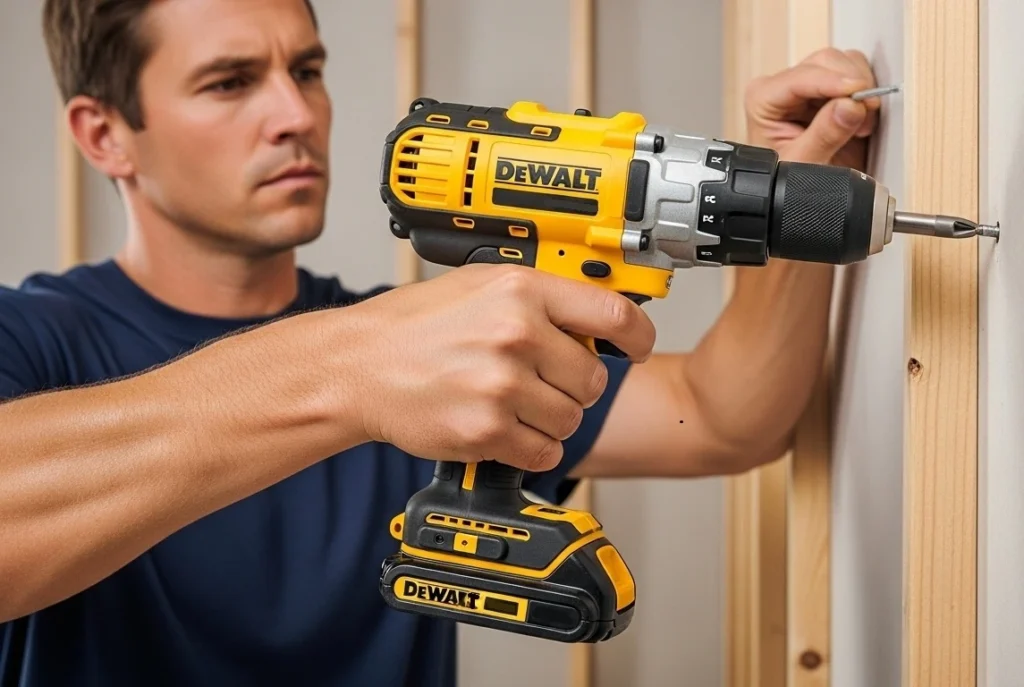
DeWalt built its reputation on jobsite-ready tools that take abuse and keep going, with a huge ecosystem that makes it easy to kit out an entire crew. The modern DeWalt lineup revolves around 20V MAX and the backward-compatible FlexVolt platform, which can switch between 20V MAX and 60V MAX for high-demand tools. Recent battery tech like PowerStack (pouch-cell packs) aims to deliver more power in a smaller, cooler-running package. Pros praise DeWalt’s circular saws, framing nailers, rotary hammers, ToughSystem storage, and the breadth of grinders, nailers, and specialty trades tools. On the downside, the catalog’s size can be confusing—multiple overlapping SKUs and generations—and some users find certain tools heavier than direct rivals. Still, DeWalt’s parts availability, service centers, and wide retail presence make it a safe, scalable choice for contractors and serious DIYers.
Milwaukee
Milwaukee leans hard into innovation for the trades, with the M18 (18V) and M12 (12V) cordless families and the data-enabled One-Key system for tool tracking, inventory, and custom control. The brand is famous for high-output brushless tools—impact wrenches that dominate stuck fasteners, SDS-Plus/Max rotary hammers, and the wildly popular Fuel line of drills and drivers. Plumbing and electrical pros love Milwaukee’s specialty cutters, crimpers, inspection cameras, and force meters that many generalist brands don’t match. Pricing does sit towards the premium end, and battery packs can be costly—though performance-per-pound often justifies it for daily pro use. If your work involves heavy fastening, concrete, or MEP tasks, Milwaukee’s ecosystem depth is hard to beat. Milwaukee may be a tough call for the somewhat amateur DIY-er.
Makita
Japanese brand Makita, which dates back to 1915, blends ergonomics, refined balance, and broad coverage from woodshop to jobsite. Its 18V LXT platform remains one of the largest single-battery ecosystems, while the newer 40V/80V XGT range targets high-demand gear without going to gas or corded. Woodworkers often cite Makita’s smooth-running finish sanders, trim routers, and track saws; landscapers like the expanding outdoor power equipment; and many appreciate Makita’s typically quiet brushless motors and compact tool footprints. The trade-off is that Makita sometimes refreshes product lines more slowly than rivals, and U.S. distribution of certain niche models can be spotty. If you value lighter, well-balanced tools that feel “dialed in” for long days, Makita has an enduring appeal.
Bosch
Hailing from Stuttgart, Germany — home of Porsche and Mercedes-Benz — Bosch has deep roots in both consumer and industrial tooling, with European DNA that shows in precise woodworking tools and thoughtful dust control. The ProFactor/BITURBO brushless range (optimized around high-output batteries) pushes heavier-duty performance in 18V, while Bosch’s classic strengths include the axial-glide dual-bevel miter saw, laser levels and measurement tools, SDS rotary hammers, and jigsaws known for clean cuts. Bosch often wins on accuracy, smoothness, and dust extraction accessories that play nicely in confined or occupied spaces. Potential downsides: the North American cordless lineup isn’t as sprawling as DeWalt or Milwaukee, and some high-demand trades don’t see the same breadth of specialty tools. For remodelers and cabinet shops prioritizing precision and cleaner work, Bosch is an excellent fit.
Hilti
Hilti, one of the sole company’s native to pint-sized Lichtenstein, is the red standard on commercial jobsites. Aimed squarely at professional contractors, they are for people willing to pay for performance, service, and uptime. Its Nuron cordless platform consolidates voltages into a robust 22V ecosystem with smart battery diagnostics and tool analytics; the brand shines in anchoring, concrete drilling and breaking, and fastening solutions that integrate with engineering approvals and documentation. Hilti’s fleet management and on-site service models reduce downtime—hugely valuable in commercial settings. The primary con is cost: tools and batteries are among the most expensive, and availability is typically through direct or pro channels rather than big-box stores. If your work lives in concrete, steel, and code-driven fastening—and downtime is the most expensive “tool” you own—Hilti’s proposition makes sense.
Bauer
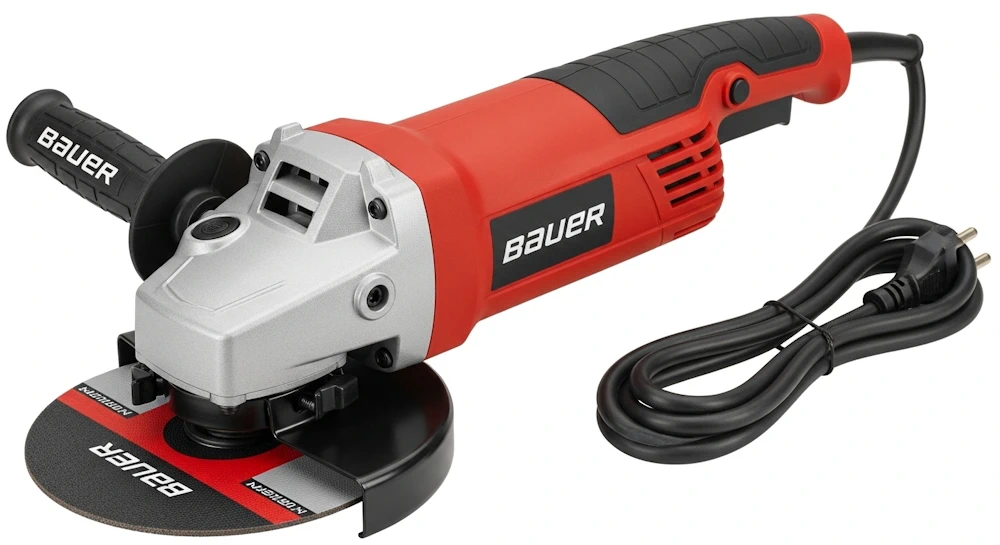
At the opposite end of the spectrum from Hilti, there is Bauer, Harbor Freight’s house tool brand. Targeting value-minded DIYers and light-trade users, it has a broad 20V Hypermax cordless lineup—drills/drivers, saws, grinders, nailers, and outdoor tools—plus compatible battery packs and fast chargers that make it easy to build a system over time. The appeal is straightforward: in-store availability, aggressive pricing, and enough performance for home projects or occasional jobsite tasks, with accessories and replacements rarely hard to find. The trade-offs typically come in premium touches and pro-ecosystem breadth—fewer specialty tools and less long-term platform depth than the biggest global brands—though the catalog has expanded steadily, covering most core categories a homeowner will want. For shoppers who prioritize cost-per-tool and walk-in convenience over top-end specs, Bauer lands in a practical sweet spot. If you want a $30 angle grinder, Bauer’s got your back.
How to pick your platform
Start with your workload and trade. If you’re building a full kit for general construction, DeWalt’s breadth and availability are compelling; for high-torque fastening, concrete, or MEP specialty tools, Milwaukee’s M18/M12 plus One-Key ecosystem stands out. If long sessions and finish work demand comfort and finesse, Makita’s balance and quieter tools pay dividends; if precision cuts and dust control headline your jobs, Bosch brings shop-grade refinement to the site. And if uptime, analytics, and heavy concrete tools are non-negotiable, Hilti’s service-first model and Nuron line earn their keep.