
Side-by-side utility vehicles (UTVs) bridge the gap between equipment and transportation, pairing low-speed torque and four-wheel-drive traction with rollover protection, seating for two or more, and a cargo bed sized for tools and materials. The best work-focused ATV models emphasize durability, service access, and accessory support for tasks like hauling firewood, pulling small trailers, plowing snow, or maintaining acreage trails. Below is an overview of reputable choices built for everyday utility with comfort and control in rough terrain.
Yamaha Viking EPS Ranch
The Viking EPS Ranch focuses on dependable, low-maintenance utility with an emphasis on predictable handling. Electric power steering eases slow-speed maneuvering when the bed is loaded, while selectable 4WD with differential lock provides confident traction for jobsite climbs or muddy trail sections. A roomy bench seat, robust skid protection, and a steel cargo bed reflect a design that prioritizes everyday durability over flash. For buyers who value long-term reliability, straightforward controls, and a comfortable working posture, the Ranch trim packages those traits with premium exterior and wheel upgrades suited to ranch and acreage duty. (Yamaha)
Polaris Ranger 1000
Ranger 1000 is built as a full-size work platform with a torquey powertrain, a strong frame, and a cab engineered for long days. Independent suspension and power steering help keep the ride settled on rutted access roads, and the cargo bed and hitch are set up for frequent loading and towing around properties or jobsites. Inside, storage nooks, easy-clean floor surfaces, and accessory-ready electrical provisions make it simple to carry tools and mount lighting or winches. For owners planning to outfit a UTV with a cab enclosure, heater, snowplow, or sprayer, the Ranger ecosystem of accessories is a practical advantage. (Polaris)
Honda Pioneer 700
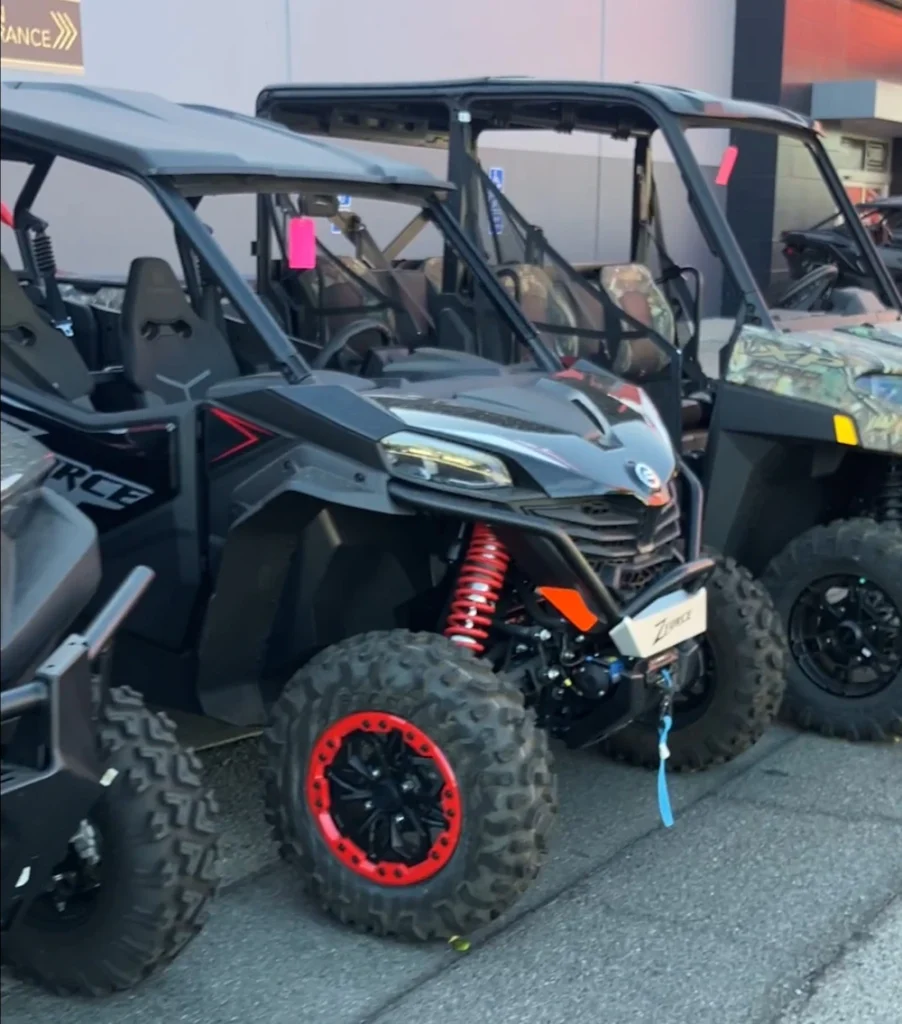
Pioneer 700 takes a middle-weight approach that suits tighter trails and mixed recreation/utility use. The chassis is compact enough for narrow paths yet stout enough for regular hauling and light towing, and Honda’s automatic transmission (with automotive-style feel) provides smooth, predictable engagement at low speeds. The bed is sized for daily tasks, with tie-downs and a tilting design that streamlines cleanup. Honda’s reputation for mechanical longevity and straightforward maintenance is a draw for owners who expect a machine to work hard for many seasons with modest upkeep. (Honda)
Kawasaki Mule PRO-MX
The Mule PRO-MX targets riders who want the toughness of a traditional Mule in a slightly smaller, two-seat package. It emphasizes stability, a compliant ride, and a quiet, low-vibration cabin that encourages all-day use. Ergonomics are work-friendly—ample shoulder room, supportive seating, and intuitive controls—and the steel cargo bed is built for repeat loading and unloading. Kawasaki’s Mule line has long been associated with durability in commercial and municipal fleets; the PRO-MX continues that theme with practical protection, accessory readiness, and a service-friendly layout. (Kawasaki)
Can-Am Defender
Defender is Can-Am’s workhorse family, spanning multiple engine options and wheelbase lengths, plus specialized packages for ranching, hunting, and property maintenance. The chassis is engineered for heavy daily use, with a robust cargo bed, adaptable storage solutions in the cab, and accessory power to support winches and work lighting. Models with extended beds or long wheelbases favor hauling bulky materials, while trim packages add features like enhanced protection, upgraded interiors, or trail-ready lighting. For operations that need one platform to cover many tasks, Defender’s breadth of configurations is a standout. (Can-Am)
How to match a UTV to the job
Choosing the right machine starts with terrain, duty cycle, and add-on equipment. Properties with narrow gates, wooded trails, or tight barn aisles benefit from mid-size models that turn sharply and fit smaller footprints, while open pastures and plow duty favor full-size chassis with longer wheelbases. Frequent hauling argues for steel beds, robust tie-downs, and easy-tilt dumping; recurring towing makes hitch height, cooling capacity, and low-range gearing more relevant. Cold-weather work points to accessory cabs and heaters, and steep or slippery ground highlights the value of selectable 4WD with a lockable differential. Reliability and service access matter as much as spec sheets: clear air-filter access, protected driveline components, and dealer support nearby can save hours during peak seasons.
Bottom line
These five utility-first side-by-sides share the same mission—move people, tools, and materials across rough ground safely and efficiently—but they approach it with different strengths. The Yamaha Viking EPS Ranch and Honda Pioneer 700 emphasize simplicity and long-term dependability in manageable footprints. Kawasaki’s Mule PRO-MX delivers traditional Mule toughness in a two-seat package. Polaris’s Ranger 1000 brings a deep accessory ecosystem for year-round outfitting. Can-Am’s Defender lineup offers the widest range of work-ready configurations. With a clear plan for terrain, payloads, towing, and accessories, it’s straightforward to narrow the field to the UTV that will put in steady workday miles with minimal drama.